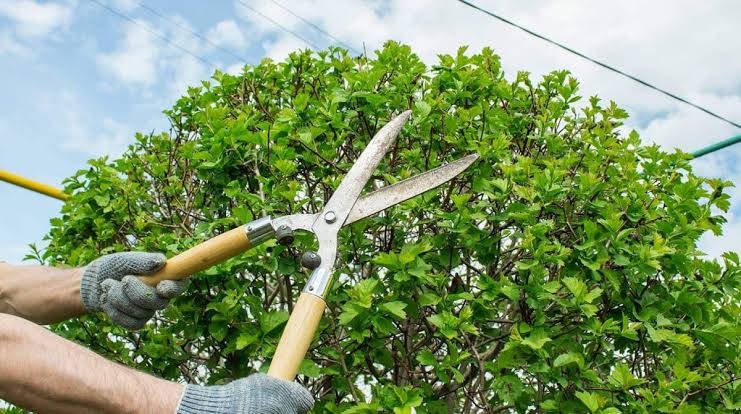
Trees are one of nature’s greatest resources. They provide oxygen, absorb harmful gases, offer shade, and create habitats for birds and other wildlife. They also help regulate temperatures, protect the soil, and improve the appearance of residential and commercial properties. However, trees need regular attention to remain healthy and attractive. Effective tree health management involves proper planning, preventive maintenance, and environmentally responsible care.
1. Understanding Common Tree Problems
Trees can experience several problems during their lifetime, including insect attacks, fungal infections, nutrient deficiencies, and environmental stress. These problems may affect leaves, branches, trunks, and roots. Recognizing early warning signs, such as yellowing leaves, unusual spots, damaged bark, and weak branches, helps prevent further deterioration.
2. Maintaining Balanced Tree Nutrition
Proper nutrition is necessary for healthy tree development. Trees obtain essential nutrients from the soil through their root systems. Organic compost and suitable soil amendments can improve nutrient availability. Fertilizers should be selected according to soil conditions and the tree’s actual requirements. Balanced nutrition supports strong roots, healthy foliage, and natural growth.
3. Controlling Unwanted Vegetation
Grass and weeds growing close to young trees can compete for water and nutrients. Removing unwanted vegetation helps reduce this competition. Applying a suitable layer of organic mulch around the root zone can also prevent excessive weed growth. Care should be taken when removing weeds to avoid damaging nearby roots.
4. Improving Tree Stability
A stable tree requires healthy roots, a strong trunk, and well-developed branches. Regular inspections can identify structural weaknesses, cracks, and damaged limbs. Young trees may sometimes require temporary support while establishing their root systems. However, supports should be installed correctly and removed when no longer necessary.
5. Managing Tree Care During Different Seasons
Seasonal maintenance helps trees adapt to changing environmental conditions. During summer, additional watering and moisture conservation may be necessary. During rainy seasons, proper drainage prevents waterlogging. In cooler months, inspections and appropriate pruning can help prepare certain species for the next growing season. Maintenance should always consider the specific needs of each tree.
6. Preserving Trees in Residential Gardens
Residential gardens can benefit greatly from healthy and well-maintained trees. Before planting, consider the available space, expected tree height, and distance from buildings and underground utilities. Regularly remove litter, protect tree trunks from physical damage, and maintain healthy soil. These simple practices improve the appearance and safety of outdoor spaces.
7. Making Tree Care a Daily Responsibility
Protecting trees does not always require expensive equipment or professional services. People can contribute through simple activities such as watering young trees, preventing unnecessary branch cutting, protecting roots, and reporting damaged trees. Community participation and environmental education can encourage more responsible attitudes toward nature.
Conclusion
Tree health management is an important part of environmental protection and sustainable landscaping. Understanding common tree problems, maintaining proper nutrition, improving stability, and following seasonal maintenance practices can help trees remain healthy for many years. Every individual can contribute by protecting existing trees and planting suitable new ones. Through consistent care and responsible management, we can preserve natural beauty and create a healthier environment for future generations.
Leave a Reply