Trees are an important investment in the beauty and environmental health of any property. They create natural shade, improve air quality, provide shelter for wildlife, and make outdoor spaces more enjoyable. However, maintaining attractive and healthy trees requires ongoing attention to their growing conditions. With the right maintenance practices, property owners can protect their trees from common problems and encourage steady development throughout the year.
One of the most important considerations is selecting the right tree for the available space. Different species have different requirements for sunlight, soil conditions, moisture, and temperature. Planting a tree without considering these factors can lead to slow growth, poor development, and unnecessary maintenance expenses. Before choosing a species, property owners should research its expected height, canopy size, and root development. Trees that naturally suit local environmental conditions are generally easier to maintain.
A healthy root system is essential for long-term tree stability. Roots absorb water and nutrients while providing support against strong winds and changing weather conditions. Unfortunately, construction activities, soil compaction, and unnecessary digging can interfere with root development. Protecting the surrounding ground from heavy equipment and excessive disturbance helps preserve important root structures. Applying organic mulch around the tree can also improve growing conditions by maintaining moisture and moderating soil temperature.
Watering requirements should be adjusted according to seasonal conditions and the age of the tree. Newly planted trees need consistent moisture as their roots establish themselves in the surrounding soil. Mature trees usually have more extensive root systems, although extended drought can still affect their health. Watering slowly and deeply encourages moisture to reach the root zone. Property owners should also pay attention to drainage because excessive water can create unhealthy conditions around the roots.
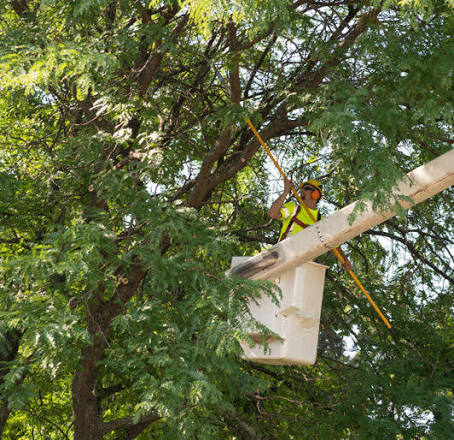
Pruning is an essential maintenance practice that helps trees develop a balanced structure. Dead branches, damaged limbs, and diseased growth can affect both appearance and safety. Removing selected branches improves airflow through the canopy and reduces the possibility of falling limbs. However, pruning should not be performed simply to remove large amounts of growth. Trees need their leaves to produce energy, and unnecessary cutting can weaken their natural defenses. Appropriate techniques and timing are important for achieving healthy results.
Another important responsibility is monitoring trees for pests and diseases. Insects can damage foliage, weaken branches, and sometimes affect the internal structure of the trunk. Fungal infections and other diseases may cause unusual leaf discoloration, bark damage, and premature branch decline. Regular inspections help identify these symptoms before they become severe. When a tree begins showing unusual changes, consulting a knowledgeable arborist can help determine the cause and identify suitable treatment options.
Seasonal maintenance allows property owners to respond to changing environmental conditions. During spring, inspecting new growth can reveal problems that developed during winter. Summer maintenance generally focuses on watering, monitoring heat stress, and checking for insect activity. Autumn is a useful period for evaluating tree structure and preparing the surrounding landscape for colder temperatures. Winter inspections can help reveal weak branches and other structural concerns.
Storm preparation is particularly important for trees located near homes, garages, driveways, and walkways. Strong winds and heavy rainfall can expose weaknesses in branches or root systems. Removing hazardous dead limbs before severe weather arrives may reduce the risk of property damage. However, large branches and unstable trees should be evaluated by qualified professionals rather than handled without proper equipment.
Professional tree care services provide valuable assistance when maintenance becomes more complicated. Experienced arborists can inspect tree health, recommend pruning methods, diagnose diseases, and assess structural risks. They can also help determine whether a damaged tree can be preserved or requires removal. Their knowledge allows property owners to make practical decisions while protecting people and surrounding structures.
Maintaining healthy trees is a long-term responsibility that rewards consistent attention. Proper planting, balanced watering, soil protection, careful pruning, and regular inspections create favorable conditions for lasting growth. By following responsible tree care practices, property owners can preserve the natural beauty of their surroundings and enjoy the benefits of strong, healthy trees for many years.
Leave a Reply