Healthy trees are a valuable addition to any property, offering environmental benefits while improving the appearance of outdoor spaces. They provide shade, support local wildlife, reduce the effects of soil erosion, and create a more comfortable environment during warmer months. However, maintaining strong and attractive trees requires regular attention to their growing conditions. Understanding basic tree maintenance practices helps property owners prevent common issues and protect their landscapes over time.
A successful tree care routine starts with understanding the condition of the surrounding environment. Soil quality, sunlight exposure, available space, and drainage all influence how a tree develops. Different species have different environmental requirements, so selecting appropriate trees for a particular location is essential. Trees planted in suitable conditions are more likely to develop healthy root systems and maintain consistent growth. Considering the mature size of a tree before planting can also prevent future conflicts with nearby structures.
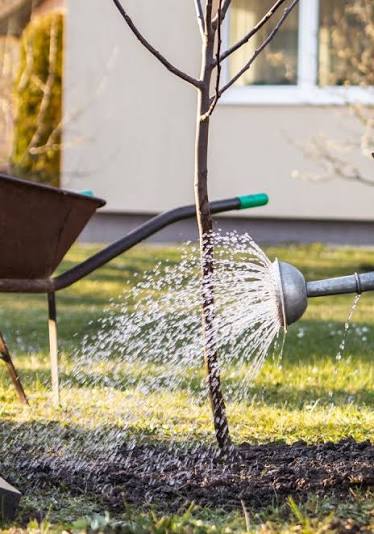
Proper watering is necessary for maintaining healthy roots and supporting normal growth. Newly planted trees require additional attention because their roots need time to establish themselves in the surrounding soil. During periods of limited rainfall, deep watering can help deliver moisture to the root zone. Established trees may also benefit from supplemental watering during prolonged drought conditions. However, the soil should be checked before adding water because excessive moisture can create unfavorable conditions for root development.
Maintaining healthy soil is another important part of tree care. Trees obtain essential nutrients and moisture through their root systems, making soil quality a major factor in their overall condition. Compacted soil can restrict root growth and reduce oxygen availability. Applying organic mulch around the tree helps maintain consistent moisture, regulate soil temperature, and reduce weed competition. Materials such as wood chips and shredded bark can gradually improve soil structure as they decompose. Keeping mulch away from the trunk helps prevent unnecessary bark damage.
Pruning is particularly useful for maintaining tree structure and reducing potential hazards. As trees mature, some branches may become damaged, diseased, or poorly positioned. Removing selected branches can improve the appearance of the canopy and allow better airflow throughout the tree. It can also prevent branches from interfering with nearby buildings, walkways, and other landscape features. Pruning should always be performed carefully because excessive cutting can reduce healthy foliage and place unnecessary stress on the tree.
Monitoring for insects and diseases can help protect trees from long-term damage. Various pests feed on leaves, damage bark, or affect the internal tissues responsible for transporting nutrients. Diseases may develop through fungal infections, bacterial activity, or environmental stress. Warning signs can include unusual leaf spots, discolored foliage, damaged branches, and premature leaf loss. Identifying the cause of these symptoms is important before choosing a treatment. Regular inspections make it easier to recognize problems while they are still manageable.
Weather conditions also influence the maintenance requirements of trees. Strong winds, heavy rain, extreme heat, and freezing temperatures can affect branches and root systems. Storms may expose existing structural weaknesses or cause sudden damage. Trees located near homes, roads, parking areas, and pedestrian walkways should be inspected regularly for potential hazards. Removing dangerous branches when appropriate can help reduce the possibility of accidents and property damage.
Protecting trees from physical injuries is equally important. Lawn equipment, construction machinery, and unnecessary digging can damage trunks and roots. Even small injuries may create opportunities for insects and disease organisms to enter damaged tissues. Maintaining a protected area around established trees can reduce these risks and support healthier development. Property owners should also avoid placing heavy materials or repeatedly driving vehicles over important root zones.
Professional tree care services can provide valuable assistance when maintenance requires specialized knowledge or equipment. Qualified arborists can assess tree health, identify structural weaknesses, recommend pruning techniques, and provide guidance on disease management. They can also evaluate storm-damaged trees and determine whether particular branches create safety concerns. Professional support is especially important when working with large trees or difficult locations.
Healthy trees are maintained through consistent attention rather than occasional corrective work. Providing suitable growing conditions, managing moisture, protecting roots, and inspecting branches regularly can make a significant difference. With responsible maintenance and timely professional assistance, property owners can preserve attractive outdoor spaces and enjoy the lasting benefits of healthy trees.
Leave a Reply