Trees are an essential part of a healthy and attractive environment. They provide natural shade, improve air quality, support wildlife, and make residential and commercial landscapes more inviting. Beyond their visual appeal, trees also contribute to environmental balance by absorbing carbon dioxide and helping regulate local temperatures. Maintaining these natural assets requires regular attention, proper growing conditions, and responsible maintenance throughout the year.
One of the most important aspects of tree care is understanding how different species respond to their surroundings. Every tree has specific requirements for sunlight, moisture, soil composition, and available growing space. Selecting suitable species for local environmental conditions can prevent many problems before they develop. Property owners should consider the mature height, canopy width, and root structure of a tree before planting it. Proper placement reduces competition and helps avoid conflicts with buildings, sidewalks, and underground utilities.
Water management is essential for supporting healthy growth. Trees use water to transport nutrients, maintain their structure, and carry out important biological functions. Young trees need consistent watering while their root systems become established. Older trees generally require less frequent attention, although extended periods of dry weather can still affect their condition. Applying water slowly around the root zone helps moisture reach deeper soil layers. Checking drainage and soil moisture before watering can prevent problems caused by excessive saturation.
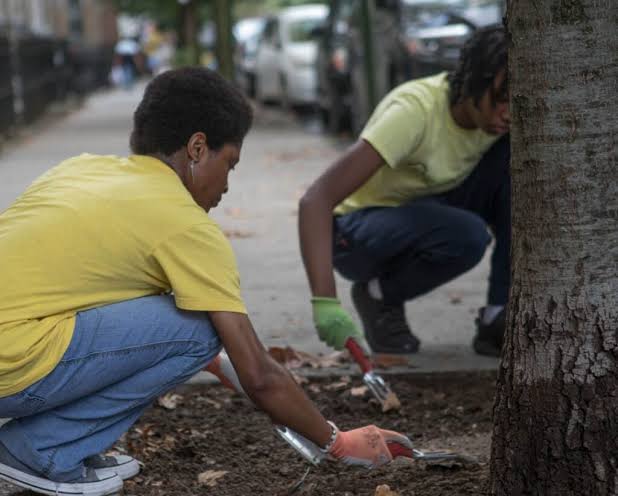
Healthy soil provides the foundation for strong root development. Trees depend on soil to obtain essential nutrients, oxygen, and moisture. Compacted ground can restrict root expansion and reduce the availability of these resources. Adding organic mulch around the base of a tree is a practical way to improve growing conditions. Mulch helps retain moisture, control weeds, and protect shallow roots from temperature fluctuations. Organic materials also contribute to soil quality as they gradually decompose.
Pruning is another important practice for maintaining attractive and structurally sound trees. Branches that become dead, damaged, diseased, or overcrowded may need to be removed. Proper pruning can improve airflow through the canopy and reduce the possibility of falling limbs. It also helps maintain clearance around buildings, driveways, and walkways. However, cutting too many healthy branches can weaken a tree and interfere with normal growth. Understanding the appropriate pruning requirements of each species is therefore essential.
Pests and diseases can gradually reduce tree health if warning signs are overlooked. Insects may damage leaves, feed beneath the bark, or affect branches and roots. Fungal and bacterial diseases can also cause discoloration, decay, and unusual growth patterns. Property owners should look for symptoms such as leaf spots, premature leaf dropping, damaged bark, and declining branches. Regular inspections make it easier to identify developing problems and arrange suitable treatment before extensive damage occurs.
Seasonal maintenance helps trees remain healthy as environmental conditions change. During spring, inspecting new growth and checking for winter damage can reveal problems that need attention. Summer maintenance often focuses on watering and monitoring heat stress. Autumn provides an opportunity to examine branches and prepare trees for colder conditions. During winter, structural weaknesses may become easier to identify, particularly in trees that lose their leaves.
Protecting trees from physical damage is equally important. Construction activities, heavy machinery, vehicles, and gardening equipment can injure trunks and disturb underground roots. These injuries may affect long-term stability and create opportunities for disease organisms to enter damaged tissues. Keeping heavy equipment away from root zones and avoiding unnecessary soil disturbance can help preserve established trees.
Professional arborists offer valuable assistance when trees require specialized maintenance. They can evaluate overall health, identify structural problems, recommend appropriate pruning, and provide guidance on disease management. Professional assessments are especially useful for large trees growing near buildings, roads, or electrical infrastructure. Having complicated work performed by qualified specialists helps protect both the property and the surrounding environment.
Long-term tree health depends on consistent maintenance and informed decisions. Proper watering, suitable soil conditions, responsible pruning, and regular inspections all contribute to stronger growth. By making tree care a regular priority, property owners can preserve the natural beauty of their landscapes while creating healthier and more sustainable outdoor environments.
Leave a Reply