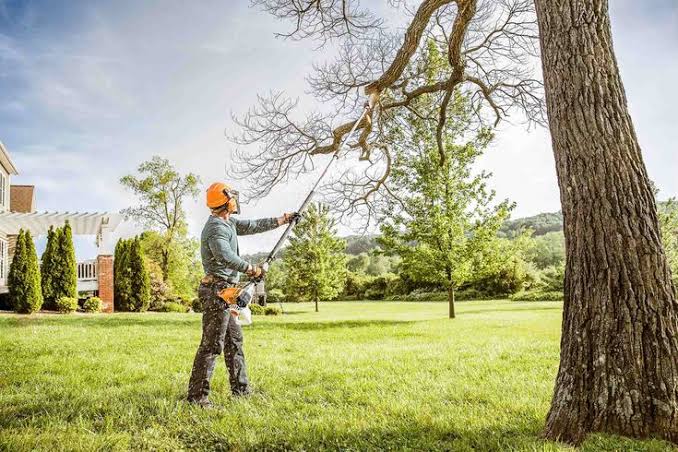
Trees are an important part of our natural environment and contribute significantly to the well-being of people, animals, and ecosystems. They provide shade, produce oxygen, absorb carbon dioxide, and help maintain suitable environmental conditions. Trees also protect the soil, support biodiversity, and make communities more attractive. Proper tree preservation and maintenance are necessary to ensure that these natural resources remain healthy for future generations.
1. Understanding the Importance of Tree Preservation
Tree preservation focuses on protecting existing trees and maintaining their natural growth. Mature trees provide valuable environmental benefits that cannot be replaced immediately by planting new ones. Protecting trees from unnecessary cutting, construction damage, and environmental pollution helps maintain biodiversity and ecological stability.
2. Providing Suitable Growing Conditions
Trees require appropriate environmental conditions to grow successfully. Soil quality, sunlight, temperature, and water availability all influence their development. Before planting, it is important to understand the requirements of the selected species. Providing suitable growing conditions reduces stress and encourages stronger root and branch development.
3. Managing Water Requirements Efficiently
Proper watering helps trees maintain healthy leaves, roots, and branches. Newly planted trees generally require more frequent watering than established trees. During dry weather, checking soil moisture can help determine when additional water is needed. Rainwater collection and drip irrigation are useful methods for improving water efficiency.
4. Maintaining Healthy Tree Roots
Roots are responsible for absorbing water and nutrients while supporting the tree’s stability. Damaged roots can affect the entire tree and make it more vulnerable to environmental stress. Avoid unnecessary digging, soil compaction, and construction activities near tree root zones. Applying organic mulch around the tree can help maintain suitable soil moisture and temperature.
5. Controlling Tree Diseases Naturally
Tree diseases can develop because of fungi, bacteria, insects, and unfavorable environmental conditions. Regular inspections help identify unusual symptoms such as leaf discoloration, bark damage, and branch dieback. Removing infected plant material when appropriate and improving growing conditions can help reduce disease problems. Serious infections may require professional diagnosis and treatment.
6. Supporting Trees During Extreme Weather
Extreme weather conditions can damage trees and affect their growth. Strong winds may break weak branches, while high temperatures can cause water stress. Proper species selection, healthy root development, and suitable maintenance can improve tree resilience. After storms, damaged trees should be inspected carefully, especially when large branches or structural weaknesses are present.
7. Building Awareness About Tree Conservation
Tree conservation becomes more successful when individuals and communities understand its importance. Schools, environmental organizations, and local communities can arrange educational activities and tree-planting programs. Encouraging responsible gardening habits and protecting public green spaces can help create a culture of environmental care.
Conclusion
Tree preservation is essential for maintaining environmental balance and protecting natural resources. Providing suitable growing conditions, managing water efficiently, protecting roots, preventing diseases, and preparing for extreme weather can improve tree health and longevity. Everyone can contribute by caring for existing trees and planting suitable new ones. Through consistent efforts and environmental awareness, we can create greener communities and a healthier planet for future generations.
Leave a Reply