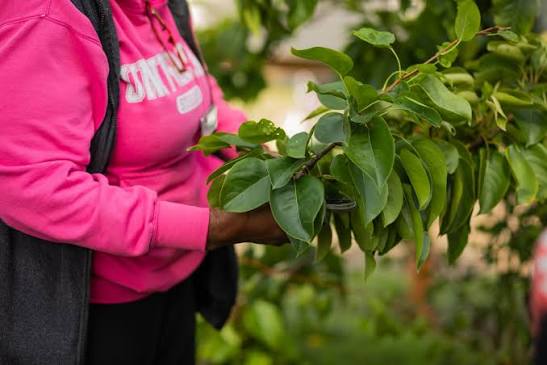
Trees are essential for creating a healthy and balanced environment. They improve air quality, provide natural shade, reduce environmental temperatures, and support different forms of wildlife. They also help conserve soil, manage rainwater, and improve the beauty of outdoor spaces. As environmental challenges continue to increase, proper tree care has become more important than ever. Modern tree maintenance methods can help preserve trees, improve their health, and support sustainable landscaping.
1. Planning Tree Maintenance Activities
Effective tree care begins with a well-organized maintenance plan. Property owners should identify the types of trees they have and understand their individual requirements. Regular inspections, watering schedules, and seasonal maintenance help prevent unexpected problems. Planning also makes it easier to identify trees that require special attention.
2. Applying Smart Irrigation Methods
Modern irrigation techniques can help trees receive the right amount of water while reducing waste. Drip irrigation delivers water slowly near the roots, allowing better absorption. Rainwater harvesting can provide an additional water source during dry periods. Monitoring soil moisture also helps prevent unnecessary watering and root damage.
3. Improving Tree Growth Through Soil Management
Soil quality directly influences tree health and development. Healthy soil contains essential nutrients, organic matter, moisture, and air spaces. Adding compost and organic materials can improve soil structure and support beneficial microorganisms. Avoid excessive fertilizer application because too many nutrients can damage trees and contaminate nearby water sources.
4. Using Proper Pruning Techniques
Pruning helps maintain tree structure, remove damaged branches, and reduce safety risks. It should be performed according to the species, age, and condition of the tree. Proper cutting techniques help minimize injuries and support natural healing. Large branches and complicated pruning tasks should be managed by qualified arborists.
5. Monitoring Tree Health with Regular Inspections
Regular monitoring helps detect tree problems before they become severe. Examine the trunk, branches, leaves, and root area for signs of disease, insects, or physical damage. Photographs and maintenance records can help track changes over time. Professional assessments may be necessary when trees show serious structural problems.
6. Protecting Trees from Urban Pollution
Trees growing in cities often experience air pollution, limited soil space, construction damage, and high temperatures. Providing sufficient growing space and protecting root areas can improve their survival. Planting suitable native species and maintaining green spaces can also help create healthier urban environments.
7. Encouraging Sustainable Landscaping Practices
Sustainable landscaping focuses on protecting natural resources while maintaining attractive outdoor spaces. Planting native trees, conserving water, using organic mulch, and reducing unnecessary chemical treatments are useful practices. Combining trees with other suitable plants can create diverse landscapes that support local wildlife and improve environmental conditions.
Conclusion
Modern tree care combines traditional maintenance practices with sustainable environmental management. Proper irrigation, healthy soil, careful pruning, regular inspections, and protection from urban pollution all contribute to stronger trees. Individuals, businesses, and communities should make tree maintenance an important part of environmental planning. By adopting responsible tree care methods, we can protect natural resources and create greener, healthier spaces for future generations.
Leave a Reply