Healthy trees contribute significantly to the appearance, comfort, and environmental quality of outdoor spaces. They provide natural shade, improve air circulation, support wildlife, and help create attractive surroundings for residential and commercial properties. Although trees can survive in different environmental conditions, they still benefit from regular maintenance and proper growing practices. A thoughtful approach to tree care helps prevent common problems and encourages healthy development over time.
The first step toward maintaining healthy trees is understanding their individual needs. Different species respond differently to sunlight, soil conditions, rainfall, and temperature changes. Some varieties grow quickly and require additional space, while others develop slowly and need specific growing conditions. Selecting suitable species for the available environment can reduce future maintenance challenges. Property owners should also consider the mature size of a tree before planting it near buildings, sidewalks, fences, or underground utilities.
Maintaining the right moisture level is essential for healthy root development. Young trees need regular watering because their roots have not yet spread throughout the surrounding soil. During dry periods, established trees may also require additional moisture to prevent stress. Deep watering is generally more effective than applying small amounts of water frequently because it encourages roots to develop further into the ground. Checking soil moisture before watering helps prevent excessive saturation and unnecessary water use.
Healthy soil provides the foundation for strong tree growth. Roots need access to oxygen, water, and essential nutrients to support the entire plant. Soil compaction can interfere with these processes and make it difficult for roots to expand. Applying organic mulch around the base of a tree helps conserve moisture, control weeds, and protect roots from temperature fluctuations. Materials such as wood chips and shredded bark are commonly used because they gradually break down and contribute organic matter to the soil. Mulch should never be piled directly against the trunk.
Proper pruning is equally important for maintaining a tree’s natural structure. Dead, damaged, and diseased branches can affect overall health and sometimes create safety concerns. Removing selected branches helps improve airflow and allows sunlight to reach more areas of the canopy. It can also prevent branches from interfering with nearby structures. However, pruning should be performed carefully because excessive removal of healthy growth can weaken a tree. Large branches and complicated pruning projects are best handled by trained professionals.
Pest and disease management should not be overlooked during routine inspections. Insects may damage leaves, weaken bark, or affect the internal tissues of trees. Diseases can also develop through fungal infections, bacterial problems, and unsuitable growing conditions. Changes in leaf color, unusual spots, premature leaf loss, and dying branches may indicate an underlying issue. Identifying the actual cause of these symptoms is important before selecting a treatment. Regular monitoring allows property owners to address problems before they spread or become more difficult to control.
Environmental protection is another important element of tree maintenance. Extreme heat, strong winds, heavy rainfall, and freezing temperatures can affect tree stability and growth. Storms may break weak branches or expose existing structural problems. Before severe weather seasons, property owners should inspect trees for visible damage and signs of weakness. Trees located close to homes, parking spaces, and pedestrian areas deserve particular attention because falling limbs can create serious hazards.
Protecting the root system during everyday property activities is equally valuable. Digging, construction, heavy vehicles, and repeated soil disturbance can damage roots even when the upper part of a tree appears healthy. Maintaining a protected area around established trees helps reduce these risks. It also allows roots to access the water and nutrients necessary for continued development.
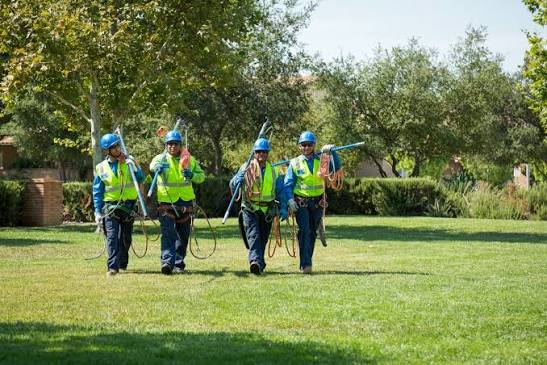
Professional arborists can provide additional support when trees require specialized attention. They can assess tree health, identify structural weaknesses, recommend suitable pruning methods, and provide advice on disease management. Their experience is especially useful when dealing with mature trees, storm damage, and potentially dangerous branches. Professional maintenance can help property owners make informed decisions while protecting surrounding structures and outdoor areas.
Ultimately, good tree care depends on consistency and preventive attention. Proper watering, healthy soil management, responsible pruning, and regular inspections all contribute to stronger trees. By understanding their needs and addressing potential problems early, property owners can maintain attractive landscapes and protect valuable natural resources for years to come.
Leave a Reply