Trees bring natural beauty, environmental benefits, and practical value to residential and commercial landscapes. They provide cooling shade, improve air quality, reduce soil erosion, and create habitats for birds and other wildlife. However, keeping trees in good condition requires regular maintenance and an understanding of their individual needs. A well-planned tree care routine can prevent common problems, improve safety, and support healthy growth for many years.
The process begins with maintaining suitable growing conditions. Trees need sufficient sunlight, healthy soil, proper drainage, and enough space to develop their roots and branches. Planting trees too close to buildings or other large plants can create competition and increase future maintenance requirements. Choosing species that are appropriate for local weather and soil conditions makes it easier to maintain a healthy landscape. Property owners should also consider the mature size of each tree before selecting a planting location.
Soil care plays an important role in supporting strong tree development. Roots depend on the surrounding ground for water, nutrients, and oxygen. When soil becomes compacted, roots may struggle to expand and absorb essential resources. Organic mulch can help improve the growing environment by reducing moisture loss, controlling weeds, and protecting shallow roots from temperature changes. Applying shredded bark or wood chips around the tree is a simple maintenance practice, provided the material is kept away from direct contact with the trunk.
Watering should be based on the tree’s age, species, and environmental conditions. Newly planted trees generally require more frequent attention because their root systems are still developing. Established trees may survive normal periods without additional watering but can experience stress during extended drought. Deep and gradual watering encourages roots to grow into deeper soil layers. Monitoring soil moisture before watering also helps prevent problems associated with excessive moisture.
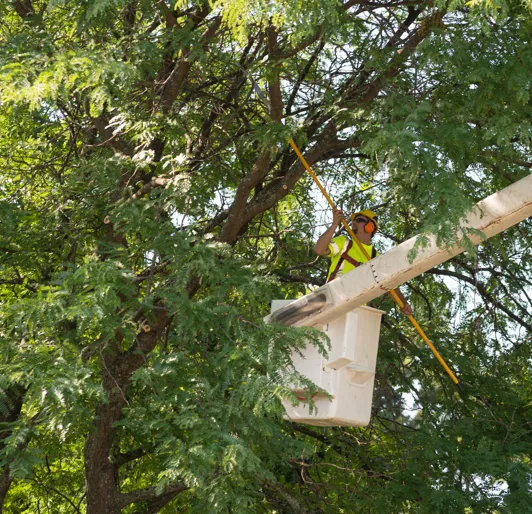
Regular pruning helps maintain a strong and balanced tree structure. Dead, broken, and diseased branches should be inspected because they can affect tree health and create potential hazards. Removing selected branches can improve airflow, increase sunlight penetration, and reduce interference with nearby structures. However, excessive pruning may weaken a tree and affect its ability to produce energy. Understanding proper pruning techniques is important, particularly when maintaining older or sensitive species.
Pest management is another essential part of maintaining healthy trees. Different insects can attack leaves, bark, branches, and roots. Some infestations are easy to recognize, while others develop gradually and remain unnoticed until significant damage occurs. Unusual leaf discoloration, small holes, damaged bark, and declining branch growth may indicate pest activity. Regular inspections allow property owners to identify these changes and seek suitable treatment when necessary.
Tree diseases can also affect the appearance and structural condition of a landscape. Fungal infections, bacterial problems, and root disorders may cause symptoms such as leaf spots, premature leaf loss, branch dieback, or unusual growth. Proper drainage, appropriate watering, and avoiding unnecessary injuries can help reduce certain risks. When symptoms appear, identifying the underlying cause is more effective than applying random treatments that may not address the actual problem.
Seasonal changes create different maintenance requirements throughout the year. Spring is suitable for evaluating new growth and identifying damage left by winter weather. During summer, attention should be given to moisture levels and signs of heat stress. Autumn offers an opportunity to inspect branches and prepare trees for colder conditions. Winter inspections can make certain structural weaknesses easier to recognize, particularly in deciduous trees that have lost their leaves.
Professional arborists provide specialized support for trees that require more detailed attention. They can evaluate overall health, identify structural problems, recommend appropriate pruning, and assess potential safety concerns. Their experience is especially valuable when dealing with mature trees, storm damage, or branches located near buildings and power lines. Hiring qualified professionals helps reduce unnecessary risks and protects valuable landscape features.
Long-term tree health depends on consistent maintenance and early attention to changing conditions. By protecting roots, maintaining suitable soil moisture, pruning responsibly, and inspecting trees regularly, property owners can prevent many common problems. These practices create stronger landscapes, improve outdoor safety, and help preserve the natural beauty and environmental benefits of trees for future generations.
Leave a Reply