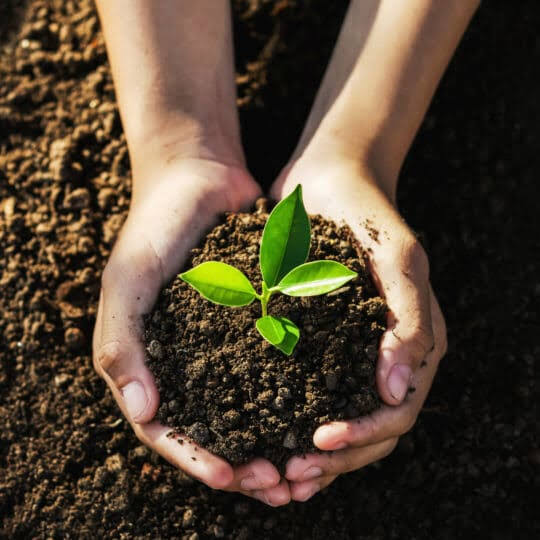
Trees are an important foundation of a healthy ecosystem. They provide oxygen, absorb carbon dioxide, improve air quality, and create comfortable surroundings for people and animals. They also reduce soil erosion, support biodiversity, and help regulate environmental temperatures. However, trees face many challenges, including poor soil conditions, insufficient water, pests, diseases, and human activities. Proper tree care and protection are necessary to ensure their healthy growth and long-term survival.
1. Understanding the Importance of Tree Protection
Protecting trees is essential for maintaining environmental balance. Mature trees provide shade, store carbon, and support numerous wildlife species. Removing trees unnecessarily can destroy habitats and increase environmental problems. Preserving existing trees should therefore be an important priority for individuals and communities.
2. Providing the Right Amount of Water
Water is necessary for transporting nutrients and supporting important biological processes within trees. Newly planted trees generally require frequent watering until their roots become established. Established trees may need additional water during prolonged dry periods. Checking soil moisture before watering helps prevent both dehydration and waterlogging.
3. Maintaining Healthy Tree Canopies
A healthy canopy allows trees to receive sunlight and produce energy through photosynthesis. Damaged, diseased, and dead branches should be inspected and removed when necessary. Proper pruning improves tree structure and reduces the risk of falling branches. Avoid excessive cutting because removing too much foliage can weaken a tree.
4. Preventing Damage from Insects and Diseases
Pests and diseases can affect tree growth and reduce their lifespan. Insects may damage leaves and bark, while fungal infections can affect roots and branches. Regular inspections help identify early warning signs. Appropriate pest management, proper sanitation, and professional treatment can help control serious problems.
5. Using Natural Materials for Better Tree Growth
Organic materials can improve growing conditions and support healthy soil. Compost adds nutrients, while wood chips and dried leaves can be used as mulch to conserve moisture. These materials also help reduce weed growth and improve soil structure. However, mulch should be kept away from direct contact with the tree trunk.
6. Protecting Trees During Construction Activities
Construction and landscaping activities can seriously damage tree roots and trunks. Heavy machinery may compact the soil, while digging can destroy important root systems. Before starting construction, tree protection areas should be established around valuable trees. Careful planning can prevent unnecessary damage and preserve existing greenery.
7. Developing a Culture of Tree Conservation
Tree conservation requires continuous efforts from individuals and communities. People should avoid unnecessary tree cutting, participate in planting activities, and educate others about environmental protection. Schools and local organizations can encourage children and adults to develop responsible tree care habits.
Conclusion
Tree care and protection are essential for maintaining a healthy environment and preserving natural resources. Proper watering, canopy maintenance, disease prevention, soil improvement, and protection from physical damage all contribute to stronger trees. By making tree conservation a shared responsibility, we can protect biodiversity, improve environmental quality, and create greener communities for future generations.
Leave a Reply