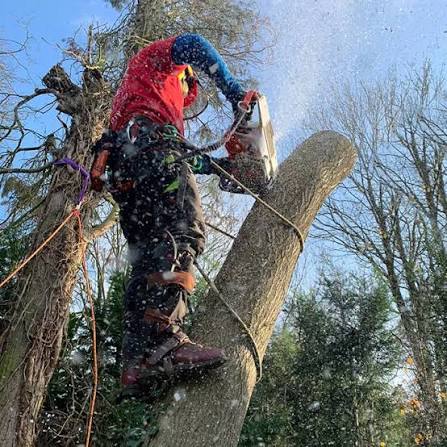
Trees are essential for maintaining a healthy environment and supporting life on Earth. They provide oxygen, absorb carbon dioxide, reduce air pollution, and create natural habitats for wildlife. They also help control soil erosion, improve water quality, and provide shade during hot weather. Despite these benefits, trees can become weak or unhealthy without proper maintenance. Regular tree care is therefore important for protecting natural resources and creating sustainable communities.
1. Developing Healthy Trees from an Early Stage
Proper tree care should begin immediately after planting. Young trees require suitable soil, sufficient sunlight, and regular watering to establish strong roots. Choosing the correct planting depth and providing enough growing space can prevent future problems. Early maintenance helps trees develop a healthy structure and improves their chances of survival.
2. Maintaining Healthy Leaves and Branches
Leaves play an important role in photosynthesis, allowing trees to produce the energy needed for growth. Healthy branches support the canopy and help maintain the tree’s natural shape. Regular inspections can identify damaged leaves, broken branches, and signs of disease. Removing unhealthy branches when necessary helps maintain tree safety and structure.
3. Conserving Water Through Proper Irrigation
Water conservation is an important part of responsible tree maintenance. Watering should depend on the tree species, soil conditions, rainfall, and weather. Deep watering encourages healthy root development, while organic mulch helps reduce moisture evaporation. Rainwater harvesting and efficient irrigation systems can further reduce water waste.
4. Improving Soil Health and Fertility
Healthy soil provides trees with the nutrients, moisture, and oxygen needed for development. Adding organic compost can improve soil structure and encourage beneficial microorganisms. Avoid excessive use of chemical fertilizers because they may negatively affect soil quality. Protecting the soil from erosion and compaction also supports strong root systems.
5. Protecting Trees Against Environmental Stress
Trees face different environmental challenges, including drought, strong winds, extreme temperatures, and pollution. These conditions can weaken branches, damage leaves, and affect root development. Selecting suitable tree species and maintaining proper growing conditions can improve their ability to withstand environmental stress. Regular inspections after severe weather are also important.
6. Supporting Wildlife Through Tree Conservation
Trees provide food, shelter, and nesting areas for many living organisms. Birds, butterflies, bees, and other beneficial species depend on trees for survival. Maintaining diverse native vegetation and avoiding unnecessary chemical treatments can create healthier habitats. Protecting trees therefore helps preserve biodiversity and maintain ecological balance.
7. Encouraging Sustainable Community Programs
Community involvement can make tree conservation more effective. Schools, businesses, and local organizations can organize tree-planting campaigns and educational activities. Residents can also participate in maintaining public gardens, protecting roadside trees, and reporting damaged trees. These collective efforts encourage environmental responsibility.
Conclusion
Regular tree maintenance is essential for environmental conservation and sustainable development. Healthy planting practices, proper irrigation, soil improvement, careful pruning, and protection from environmental stress help trees grow stronger and live longer. Trees benefit everyone, so protecting them should be a shared responsibility. By maintaining existing trees and planting new ones, we can support biodiversity, improve air quality, and create a greener world for future generations.
Leave a Reply